Best time to dive Channel Islands
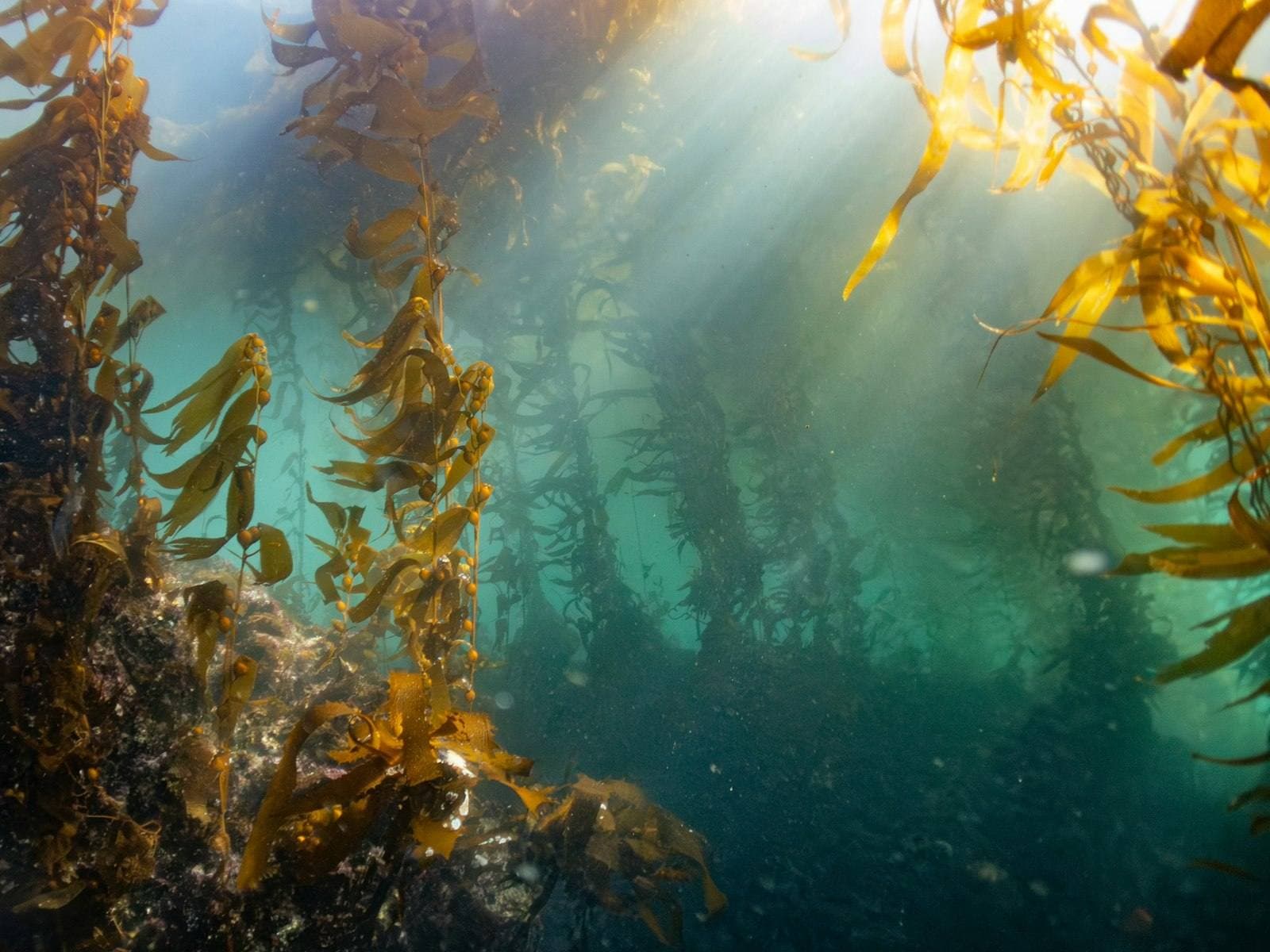
Giant kelp forests with garibaldi, sea lions and bat rays, an hour's boat ride from Los Angeles.
At a glance
- Best months
- August to November for the warmest water and clearest visibility
- Water
- 12–21°CAbout 12–15°C in late winter and spring, up to 18–21°C in late summer and early autumn. 7 mm wetsuit with hood, or a drysuitWetsuit month by month →
- Visibility
- 6–30 m
- Current
- ModerateUsually light, but surge in the shallows and current around exposed points and offshore banks
- Certification
- AdvancedSome sites possible for Open Water
- How you dive
- Land-based or liveaboard
When to go
August to November for the warmest water and clearest visibility; spring often brings plankton blooms and green water.
- JanuaryGoodWater 13–15°CRainy
Cold and often clear between winter storms; storms and swell cancel boats.
- FebruaryGoodWater 12–14°CRainy
Among the coldest months; rain and swell, fewer boats.
- MarchGoodWater 12–14°CSome rain
Cold water; spring upwelling begins.
- AprilGoodWater 12–14°CDry
Plankton blooms can turn the water green, especially at the northern islands.
- MayGoodWater 13–15°CDry
Kelp growing fast; visibility still variable.
- JuneGoodWater 14–17°CDry
Warming; morning fog on the coast, calmer seas.
- JulyGoodWater 16–19°CDry
Warmer water and busy summer boats; visibility improving.
- AugustPeak seasonWater 17–20°CDry
Warm for California; kelp canopy thick at the surface.
- SeptemberPeak seasonWater 17–21°CDry
Often the warmest water and best visibility of the year.
- OctoberPeak seasonWater 16–19°CDry
Still warm and clear; fewer crowds.
- NovemberPeak seasonWater 15–17°CSome rain
Cooling; clear water before winter storms. Lobster season is open.
- DecemberGoodWater 14–16°CSome rain
Cooler water; storms possible. Gray whales start migrating south past the islands.
What makes each month
Each thing worth diving here is rated on its own, month by month: its own season first, then held back a step when the weather is poor or the water is unusually cold for this place. The calendar above takes the best of them. Cold only counts against a month when the highlight does not come with it, so a macro site is never judged by manta-and-visibility rules.
- Kelp forests and sea lions
Warmest water and best visibility from August to November; spring plankton blooms turn the water green.
- Weather and sea
- Water °C141313131416181919181615
Cold for here
Overview
Off the coast of Southern California lie eight islands, known together as the Channel Islands. Five of them, from Anacapa to San Miguel, form Channel Islands National Park, and the waters around them are a national marine sanctuary. Santa Catalina Island, off Los Angeles, belongs to the southern group and is the easiest to reach.
The main reason to dive here is giant kelp, a seaweed that grows from the seabed to the surface and forms forests with sunlight streaming through. Bright orange garibaldi guard their patches of reef, and divers also see sheephead, bat rays, horn sharks, lobsters and, around Santa Barbara Island and Anacapa, playful California sea lions. Most diving is from day boats out of Ventura, Oxnard, Santa Barbara, San Pedro and Long Beach; some boats also run multi-day trips.
On Catalina, the Casino Point Dive Park in Avalon is an underwater park reached by stairs from the shore, with kelp a few metres from the entry. Farnsworth Bank, off Catalina's back side, is a deeper offshore pinnacle known for purple hydrocoral.
Water runs from about 12–15°C in spring to 18–21°C in late summer. The US National Park Service gives a range of about 10–21°C, warmest in autumn and coldest in spring. Visibility is usually best from late summer into autumn; spring plankton blooms can turn the water green.
Getting there and how you dive
Getting there
Fly to Los Angeles (LAX) or Santa Barbara. Boats leave from Ventura, Oxnard, Santa Barbara, San Pedro and Long Beach; ferries run to Avalon on Catalina.
Who it suits
Open Water divers trained in cold water can dive the sheltered coves. Offshore banks such as Farnsworth and Begg Rock are deeper and more exposed; Advanced Open Water and cold-water experience.
Dive sites
- Landing Cove (Anacapa)Sheltered cove on East Anacapa with kelp, garibaldi and lobsters in 6–20 m.
- Cathedral Cove (Anacapa)Arches and rocky reef in the Anacapa marine reserve; sea lions often join divers.
- Scorpion Anchorage (Santa Cruz Island)Kelp and rocky reef off a landing on Santa Cruz Island, within a marine reserve.
- Gull Island (Santa Cruz Island)Offshore rock off the south side of Santa Cruz with walls, kelp and big fish life.
- Santa Barbara IslandSmall island with a sea lion colony; clear water and kelp.
- Begg RockExposed pinnacle northwest of San Nicolas Island with colourful invertebrates; advanced, weather permitting.
- Casino Point Dive Park (Catalina)Underwater park in Avalon entered by stairs; kelp, garibaldi and a few small wrecks in 6–30 m.
- Farnsworth Bank (Catalina)Offshore pinnacle from about 18 m covered in purple hydrocoral; boat only, advanced.
- Arch Rock (Anacapa)Landmark arch at Anacapa's east end with kelp and sea lions.
- Wyckoff Ledge (San Miguel)Exposed ledge with lush invertebrates and big fish; intermediate.
- Bee Rock (Santa Rosa)Offshore rock on the south-west side of Santa Rosa Island.
- Talcott Shoals (Santa Rosa)Shallow reef on the north of Santa Rosa Island.
- Yellowbanks (Santa Cruz)Kelp reef on the south-east of Santa Cruz Island.
- Blue Cavern Point (Catalina)Wall and caves near Two Harbors with kelp and garibaldi.
- Ship Rock (Catalina)Offshore rock near Isthmus Cove; walls and kelp.
What you'll see
Know the risks
- Cold water: 7 mm with hood or a drysuit
- Surge and entanglement in kelp
- Wind and swell can change plans, especially on the northern islands
Plan the trip
- Liveaboards
Liveaboards reach sites day boats can't. Compare routes, nights and prices.
How to choose a liveaboard - Dive shops
Where Channel Islands dive centres are based and what to check before you book. Shop list in progress.
How to choose a dive shop - Dates and people
Post your dates and how many of you. Divers who know the boats and shops, or are going the same weeks, reply in the community.
Find divers / ask dates - Dive insurance
Most travel policies exclude scuba or cap the depth. Check yours covers diving before you go.
Dive accident cover from DAN ↗
Some of these links may earn us a commission at no cost to you. It never changes what we recommend. How this site is funded
Ask other divers
Questions
When is the best time to dive Channel Islands?
August to November for the warmest water and clearest visibility; spring often brings plankton blooms and green water. Peak months on our calendar: August, September, October, November.
What is the water temperature in Channel Islands?
About 12–15°C in late winter and spring, up to 18–21°C in late summer and early autumn. 7 mm wetsuit with hood, or a drysuit.
Can Open Water divers dive Channel Islands?
Open Water divers trained in cold water can dive the sheltered coves. Offshore banks such as Farnsworth and Begg Rock are deeper and more exposed; Advanced Open Water and cold-water experience.
How strong is the current in Channel Islands?
Usually light, but surge in the shallows and current around exposed points and offshore banks.
What should divers watch out for in Channel Islands?
Cold water: 7 mm with hood or a drysuit. Surge and entanglement in kelp. Wind and swell can change plans, especially on the northern islands.
Sources
- National Park Service: Channel Islands submerged resources
- Scuba Diving: Guide to diving Channel Islands National Marine Sanctuary
- Underwater Photography Guide: Channel Islands
- Scuba Diving: Santa Barbara Island
- PADI: Diving in Santa Catalina Island
- Scuba Diving: A local diving guide to Catalina Island
- Channel Islands Dive Adventures: Northern Channel Islands
Last reviewed 2026-11. Where sources disagree we use the more conservative range.