Best time to dive Kerama Islands
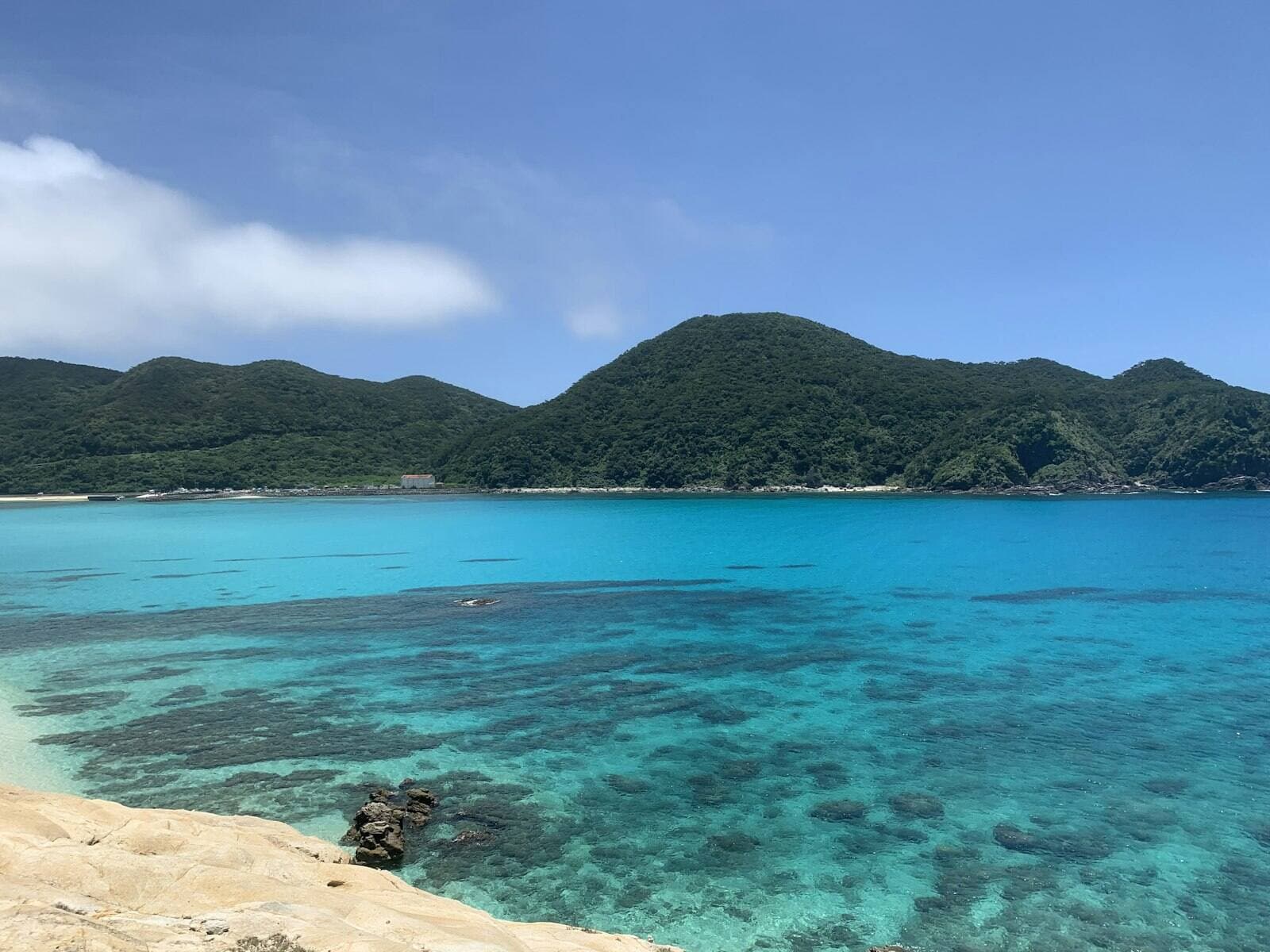
'Kerama blue': very clear water, turtles and hard coral, an hour from Naha by boat.
At a glance
- Best months
- April to May and October to November
- Water
- 21–29°CAbout 21–23°C from January to March and 27–29°C from July to September. 5 mm or a semi-dry in winter, 3 mm in summerWetsuit month by month →
- Visibility
- 15–40 m
- Current
- ModerateMany calm, sheltered sites; some points such as Ugan can have strong drift
- Certification
- Open WaterMinimum Open Water
- How you dive
- Land-based
When to go
April to May and October to November; summer is warmest but has typhoon risk.
- JanuaryGoodWater 21–22°CSome rain
Coolest water. Humpback whales arrive; northerly winds can make crossings rough.
- FebruaryGoodHeld at Good by the weatherWater 21–22°CSome rain
Cool water and very clear. Humpback whale season peaks.
- MarchGoodWater 21–23°CSome rain
Water starts to warm; whales still around early in the month.
- AprilPeak seasonWater 22–24°CSome rain
Warming water, calmer seas. A good month.
- MayPeak seasonWater 24–26°CRainy
Rainy season starts mid-month, but diving goes on; coral spawning around the full moon.
- JuneGoodWater 26–28°CRainy
Rainy season ends late in the month; warm water.
- JulyPeak seasonWater 28–29°CDry
Hot, calm and clear between typhoons. Peak holiday season.
- AugustGoodHeld at Good by the weatherWater 28–29°CSome rain
Warmest water but high typhoon risk; leave spare days.
- SeptemberGoodHeld at Good by the weatherWater 27–29°CSome rain
Warm, often the clearest month; typhoons still likely.
- OctoberPeak seasonWater 25–27°CSome rain
Typhoon risk falls; warm water and fewer people. A good month.
- NovemberPeak seasonWater 24–25°CSome rain
Comfortable water, settled weather. A good month.
- DecemberGoodWater 22–23°CSome rain
Water cools; winter northerlies begin.
What makes each month
Each thing worth diving here is rated on its own, month by month: its own season first, then held back a step when the weather is poor or the water is unusually cold for this place. The calendar above takes the best of them. Cold only counts against a month when the highlight does not come with it, so a macro site is never judged by manta-and-visibility rules.
- Reefs and fish life
Clear water and turtles all year; April to May and October to November balance warm water and settled weather. Humpback whales from January to March are a boat trip, not a dive.
- Weather and sea
- Water °C222222232527292928262523
Cold for here
Overview
The Kerama Islands are a group of about 30 islands some 40 km west of Naha, Okinawa's capital. They became a national park in 2014, largely for their clear water, which locals call 'Kerama blue'. Zamami, Aka and Tokashiki are the inhabited islands; boats from Naha reach most sites in about an hour.
There are around 100 dive sites. Most are hard-coral gardens, sandy slopes with turtles, arches and small caverns, many of them calm and suitable for new divers. A few points in the channels, such as Ugan off Zamami, can have strong drift with schooling fish. Most visitors dive on day boats from Naha; some stay on Zamami or Aka to be closer to the reefs.
The water is about 21–23°C from January to March and 27–29°C in summer. Summer is the busiest season, but typhoons, mostly from July to September, can stop boats for days. Spring and autumn often give the best mix of warm water and settled weather. From January to March, humpback whales come to the islands to breed, and whale-watching trips run from Zamami and Naha.
Getting there and how you dive
Getting there
Fly to Naha, Okinawa. Dive boats leave from Naha's ports; ferries run to Zamami, Aka and Tokashiki.
Who it suits
Open Water is enough for most sites. Drift points in the channels suit divers with experience in current.
Dive sites
- NishibamaReef off Aka Island's north beach in a protected zone, with an artificial reef full of snapper and anthias at about 20 m.
- UganRocky point off Zamami with drop-offs and schooling fish; current can be strong.
- Gina (Turtle Point)Sandy slope and seagrass off a turtle-nesting beach on Aka; green turtles are regular.
- Kuroshima NorthTwin rocks at the north end of Kuroshima, down to about 40 m, with very clear water.
- Aharen LighthouseCaverns under Tokashiki's southern cliffs that glow blue in the sunlight.
- IjakajaOne of the popular Kerama sites, off Yakabi Island; coral and reef fish.
- Ama BeachShallow seagrass bay on Zamami where green turtles graze; an easy shore dive or snorkel.
- Dragon LadyShallow sandy bottom with scattered reef under 10 m; beginner site.
- NozakiShallow beginner site with sandy bottom and coral.
- Kame ParadiseSite where sea turtles are almost guaranteed.
- Otokoiwa Rock (Zamami)Rock off Zamami with reef fish.
- Kuroshima Minami RippyoLandmark site south of Kuroshima.
- KubajimaRemote island in the west of the Keramas with clear water.
- Shimosone (Tokashiki)Offshore reef near Tokashiki.
What you'll see
Know the risks
- Typhoons, mostly July to September, can stop boats for days
- Cool water in winter: around 21°C
- Strong current at exposed points; follow the guide's plan
Plan the trip
- Dive shops
Where Kerama Islands dive centres are based and what to check before you book. Shop list in progress.
How to choose a dive shop - Dates and people
Post your dates and how many of you. Divers who know the boats and shops, or are going the same weeks, reply in the community.
Find divers / ask dates - Dive insurance
Most travel policies exclude scuba or cap the depth. Check yours covers diving before you go.
Dive accident cover from DAN ↗
Some of these links may earn us a commission at no cost to you. It never changes what we recommend. How this site is funded
Ask other divers
Questions
When is the best time to dive Kerama Islands?
April to May and October to November; summer is warmest but has typhoon risk. Peak months on our calendar: April, May, July, October, November.
What is the water temperature in Kerama Islands?
About 21–23°C from January to March and 27–29°C from July to September. 5 mm or a semi-dry in winter, 3 mm in summer.
Can Open Water divers dive Kerama Islands?
Open Water is enough for most sites. Drift points in the channels suit divers with experience in current.
How strong is the current in Kerama Islands?
Many calm, sheltered sites; some points such as Ugan can have strong drift.
What should divers watch out for in Kerama Islands?
Typhoons, mostly July to September, can stop boats for days. Cool water in winter: around 21°C. Strong current at exposed points; follow the guide's plan.
Sources
- Visit Okinawa: Kerama Islands diving spots
- Marine Diving Web: Kerama
- Seasir: Seasonality calendar
- Outdoor Japan: Into the Ryukyu blue
Last reviewed 2026-11. Where sources disagree we use the more conservative range.