Best time to dive Nusa Penida
Manta rays all year and, in the cold months, the odd-looking mola mola.
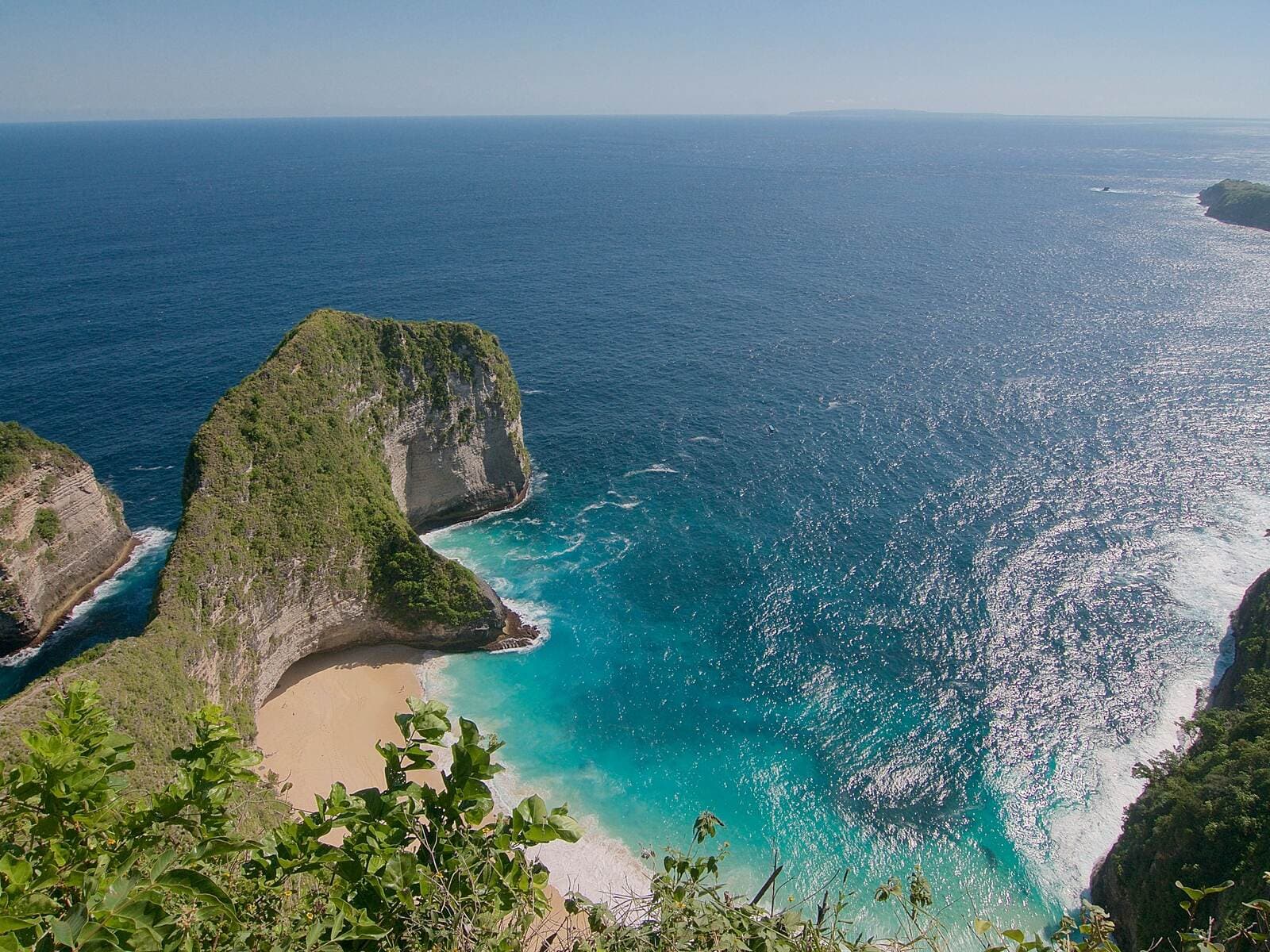
At a glance
- Best months
- April to November
- Water
- 16–29°CCan fall to 16–22°C below the thermocline in mola season; bring 5 mmWetsuit month by month →
- Visibility
- 10–30 m
- Current
- StrongStrong and changeable drift currents, with down-currents at some sites
- Certification
- AdvancedMinimum Advanced
- How you dive
- Land-based
When to go
April to November; mola mola season is roughly July to October.
- JanuaryGoodBest for: Manta rays, Drift diving over healthy reefWater 27–29°CRainy
Wet season with warm water. Mantas are there all year; rain runoff from Bali can lower visibility.
- FebruaryGoodBest for: Manta rays, Drift diving over healthy reefWater 27–29°CRainy
Wet with warm water; manta encounters at Manta Point continue.
- MarchGoodBest for: Manta rays, Drift diving over healthy reefWater 27–29°CSome rain
Rain easing; still warm water around 27–29°C.
- AprilPeak seasonBest for: Manta rays, Drift diving over healthy reefWater 26–28°CDry
The dry season begins, with calmer weather and good manta diving.
- MayPeak seasonBest for: Manta rays, Drift diving over healthy reefWater 25–28°CDry
Dry and clear, with the water starting to cool.
- JunePeak seasonBest for: Manta rays, Drift diving over healthy reefWater 22–26°CDry
Water cooling as the dry season sets in; in some years the first molas appear.
- JulyPeak seasonBest for: Mola molaWater 20–24°CDry
Mola season begins. Cold upwellings can bring 18–22°C water at depth.
- AugustPeak seasonBest for: Mola molaWater 18–23°CDry
Peak mola month and the coldest water, often below 20°C at depth. Crystal Bay gets busy.
- SeptemberPeak seasonBest for: Mola molaWater 18–23°CDry
Still prime mola season, with cold thermoclines and strong currents.
- OctoberGoodBest for: Mola mola, Manta rays, Drift diving over healthy reef · Held at Good: cold water for hereWater 20–25°CDry
The end of the mola season; sightings become less predictable.
- NovemberPeak seasonBest for: Manta rays, Drift diving over healthy reefWater 24–28°CSome rain
Water warming again as the first rains arrive.
- DecemberGoodBest for: Manta rays, Drift diving over healthy reefWater 26–29°CRainy
The wet season starts: warm water and mantas, with fewer crowds.
What makes each month
Each thing worth diving here is rated on its own, month by month: its own season first, then held back a step when the weather is poor or the water is unusually cold for this place. The calendar above takes the best of them. Cold only counts against a month when the highlight does not come with it, so a macro site is never judged by manta-and-visibility rules.
- Mola molaComes with the cold water
Mola season is roughly July to October, peaking in August and September, in 18–23°C water with cold thermoclines and strong current.
- Manta rays
Reef mantas at Manta Point all year; the dry season from April brings calmer weather and clearer water.
- Drift diving over healthy reef
Reef drifts are best in the dry season; from July to October the water can drop below 20°C at depth.
- Weather and sea
- Water °C282828272724222121232628
Cold for here
Overview
Nusa Penida and its neighbour Nusa Lembongan lie just off the southeast coast of Bali. The channel between them and Bali carries strong, nutrient-rich water, which brings reef manta rays to cleaning stations all year and, from roughly July to October, the mola mola or ocean sunfish.
Molas come up from deep, cold water to be cleaned on the reef, and they are usually seen between about 20 and 40 metres. During that season, upwelling can drop the temperature below 20°C in an instant, so a 5 mm suit is sensible. Sightings are never guaranteed, and booking several days improves the odds.
Currents here are strong and change quickly, and some sites have down-currents. This is a place for Advanced divers who are comfortable with drift diving. Diving continues all year, but November to March is the rainy season with more variable conditions.
Who it suits
Advanced Open Water. Manta Point can suit calmer days for less experienced divers, but drift sites and mola dives are for confident divers.
Dive sites
- Manta PointShallow reef manta cleaning station, seen on most dives; the sea can be rough getting there.
- Crystal BaySheltered bay for all levels; the deeper corner is a seasonal mola site with strong current.
- Blue Corner (Lembongan)Deep drift with strong current; mola in season, sharks, eagle rays. Advanced only.
- ToyapakehDrift over coral boulders; mild to moderate current on calm days.
- SD (Sental)Drift along the north coast with coral and reef fish.
- PedGentle drift along the north coast; coral gardens and turtles.
- Manta BayShallow bay with manta cleaning near Manta Point.
- Gamat BayBay with corals and sunfish chances in season.
- Mangrove Point (Lembongan)Gentle drift along Lembongan's mangrove coast; healthy hard coral, easy level.
- SentalNorth-coast drift on Nusa Penida with good coral; part of the Ped–Toyapakeh chain.
- BuyukNorth-coast drift site with turtles and reef fish; moderate current.
- Batu Bolong (Penida)Rock with an arch off the south-west coast; strong current, sharks at times. Advanced.
- Tugu drop-offNorth-coast drop-off with soft coral; drift dive.
- Ceningan WallWall on the east edge of Nusa Ceningan, dived only at slack high tide. Advanced.
- Malibu PointPenida site recommended for macro.
- Bat Cave (Toyapakeh)Site at the north mouth of the Ceningan Channel near Toyapakeh.
- Lembongan BayGentle bay site for beginners and snorkellers.
- Karang SariPenida reef with macro and coral.
What you'll see
| Animal | J | F | M | A | M | J | J | A | S | O | N | D |
|---|---|---|---|---|---|---|---|---|---|---|---|---|
| Manta raysManta Point, all year. | January: best | February: best | March: best | April: best | May: best | June: best | July: best | August: best | September: best | October: best | November: best | December: best |
| Mola molaCrystal Bay and other cleaning stations, usually 20–40 m, with cold thermoclines. | January: not expected | February: not expected | March: not expected | April: not expected | May: not expected | June: possible | July: best | August: best | September: best | October: best | November: not expected | December: not expected |
Know the risks
- Strong, unpredictable current
- Cold thermoclines
- Mola dives are often deep (20–40 m)
Plan the trip
- Dive shops
7 dive centres and day boats at Nusa Penida, where they are based and what to check before you book.
See Nusa Penida dive shops - Dates and people
Post your dates and how many of you. Divers who know the boats and shops, or are going the same weeks, reply in the community.
Find divers / ask dates - Dive insurance
Remote sites and strong currents make evacuation costly. Check your policy covers diving to the depth you plan.
Dive accident cover from DAN ↗
Some of these links may earn us a commission at no cost to you. It never changes what we recommend. How this site is funded
Ask other divers
Questions
When is the best time to dive Nusa Penida?
April to November; mola mola season is roughly July to October. Peak months on our calendar: April, May, June, July, August, September, November.
What is the water temperature in Nusa Penida?
Can fall to 16–22°C below the thermocline in mola season; bring 5 mm.
Can Open Water divers dive Nusa Penida?
Advanced Open Water. Manta Point can suit calmer days for less experienced divers, but drift sites and mola dives are for confident divers.
How strong is the current in Nusa Penida?
Strong and changeable drift currents, with down-currents at some sites.
What should divers watch out for in Nusa Penida?
Strong, unpredictable current. Cold thermoclines. Mola dives are often deep (20–40 m).
Sources
- Bali Ocean: Mola mola hunter's manual
- Nusa Penida: Mola mola guide
- Stingy Nomads: Dive Nusa Penida
- Nusa Penida dive guide: 20 best dive sites
- Bali Ocean: Nusa Penida dive sites
- Bali and Nusa Penida diving guide (nusapenida.org)
- Emperor Divers: Lembongan and Nusa Penida dive sites
Last reviewed 2026-10. Where sources disagree we use the more conservative range.