Best time to dive Puget Sound
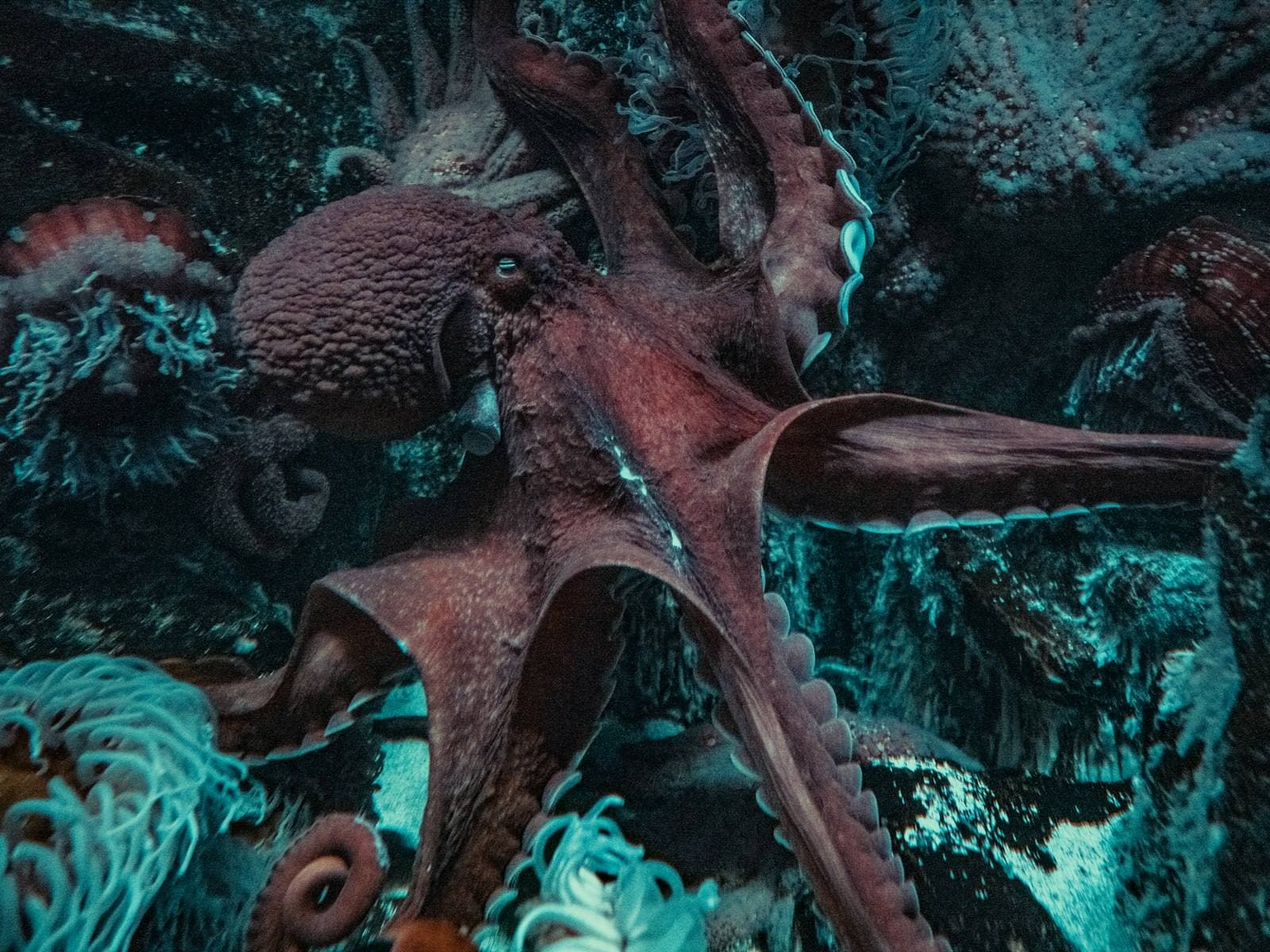
Giant Pacific octopus, wolf eels and walls of anemones in cold green water, a short drive from Seattle.
At a glance
- Best months
- August to October for the clearest water
- Water
- 7–13°CAbout 7–13°C all year; Edmonds gives 9–11°C at its park. Drysuit recommendedWetsuit month by month →
- Visibility
- 3–15 m
- Current
- ModerateStrong tidal current at passes such as Deception Pass and the Tacoma Narrows; plan around slack tide. Sheltered parks have little current
- Certification
- AdvancedSome sites possible for Open Water
- How you dive
- Land-based
When to go
August to October for the clearest water; diveable all year with a drysuit.
- JanuaryGoodWater 8–9°CRainy
Cold, rainy and dark; water can be clear between storms.
- FebruaryGoodWater 7–9°CRainy
Usually the coldest water of the year.
- MarchGoodWater 8–9°CRainy
Cold water; spring plankton blooms can start late in the month.
- AprilGoodWater 8–10°CSome rain
Plankton blooms often reduce visibility. Octopus and wolf eels in their dens all year.
- MayGoodWater 9–11°CDry
Often among the lowest visibility of the year as blooms peak.
- JuneGoodWater 10–12°CDry
Longer days and warmer surface water; visibility variable.
- JulyGoodWater 11–13°CDry
Drier weather and busy dive parks; check for strong summer tides.
- AugustPeak seasonWater 11–13°CDry
Start of the clearest stretch of the year.
- SeptemberPeak seasonWater 11–13°CDry
Often good visibility and settled weather.
- OctoberPeak seasonWater 10–12°CSome rain
Still good before the autumn rain sets in.
- NovemberGoodWater 9–11°CRainy
Rain returns; runoff can cloud shallow water.
- DecemberGoodWater 8–10°CRainy
Cold and rainy; visibility variable.
What makes each month
Each thing worth diving here is rated on its own, month by month: its own season first, then held back a step when the weather is poor or the water is unusually cold for this place. The calendar above takes the best of them. Cold only counts against a month when the highlight does not come with it, so a macro site is never judged by manta-and-visibility rules.
- Octopus, wolf eels and invertebrates
Giant Pacific octopus and wolf eels are in their dens all year; August to October has the clearest water.
- Weather and sea
- Water °C9899101112121211109
Cold for here
Overview
Puget Sound is a long inlet of the Pacific in Washington State, with Seattle and Tacoma on its shores. The water is cold and often green, but strong tides carry nutrients through the sound, and the reefs and pilings are covered in white plumose anemones, sponges and sea stars.
The star animal is the giant Pacific octopus, the largest octopus species, which lives in dens among rocks and sunken structures. Wolf eels, lingcod, cabezon, rockfish and many nudibranchs are also common, and seals and sea lions sometimes pass by.
Most diving is from shore. Edmonds Underwater Park, next to the ferry dock north of Seattle, is a marine preserve with sunken boats and structures linked by guide ropes. Alki Cove 2 in West Seattle, Redondo Beach near Des Moines and Keystone Jetty on Whidbey Island are other popular parks. The tidal passes, such as Deception Pass and the Tacoma Narrows, have some of the richest walls but must be dived at slack tide.
The water stays at about 7–13°C all year, so most divers use drysuits. Visibility is usually best from late summer into autumn; Washington's Department of Ecology reports that spring plankton blooms and some winter months bring the lowest visibility.
Getting there and how you dive
Getting there
Fly to Seattle-Tacoma (SEA). Most dive sites are within an hour's drive, and ferries reach Whidbey Island and the Kitsap side.
Who it suits
Open Water divers with drysuit or cold-water training can dive the parks such as Edmonds and Alki. Tidal passes are for experienced divers and need careful slack-tide timing.
Dive sites
- Edmonds Underwater ParkMarine preserve next to the Edmonds ferry dock with sunken boats and structures linked by ropes, to about 12 m; octopus and lingcod.
- Alki Cove 2 (Seacrest Park)West Seattle shore dive with pilings, debris and octopus dens; view of downtown from the entry.
- Redondo BeachShore dive near Des Moines along a sloping bottom with octopus, sea pens and nudibranchs.
- Keystone Jetty (Whidbey Island)Rock jetty by the ferry terminal with wolf eels, rockfish and anemones; dive at slack tide.
- MukilteoShore dive near the ferry terminal with sunken structures and sea life on a sandy slope.
- Sund Rock (Hood Canal)Rocky reef in Hood Canal known for wolf eels and octopus; private access, check before going.
- Tacoma NarrowsStrong tidal current under the Narrows bridges, with huge lingcod and anemone-covered rubble; slack tide only, experienced divers.
- Deception PassNarrow tidal pass between Whidbey and Fidalgo islands with rich walls; slack tide only, advanced.
- Day Island WallWall in the Tacoma Narrows; current-sensitive and among the best shore dives in the Sound.
- Titlow BeachPilings with wolf eels and giant Pacific octopus; current-sensitive.
- Les Davis Marine ParkEasy Tacoma shore dive with an artificial reef.
- Saltwater State ParkFish-rich shore dive in a protected area south of Seattle.
- Three Tree PointArtificial reef debris; sixgill sharks in summer and autumn.
- Sunrise Beach (Gig Harbor)Marine preserve for experienced divers.
- Lime Kiln (San Juan Island)Steep shore on the west of San Juan Island; strong current at times.
What you'll see
Know the risks
- Cold water year round
- Tidal current at passes; dive at slack
- Boat and ferry traffic near some entries
Plan the trip
- Dive shops
Where Puget Sound dive centres are based and what to check before you book. Shop list in progress.
How to choose a dive shop - Dates and people
Post your dates and how many of you. Divers who know the boats and shops, or are going the same weeks, reply in the community.
Find divers / ask dates - Dive insurance
Most travel policies exclude scuba or cap the depth. Check yours covers diving before you go.
Dive accident cover from DAN ↗
Some of these links may earn us a commission at no cost to you. It never changes what we recommend. How this site is funded
Ask other divers
Questions
When is the best time to dive Puget Sound?
August to October for the clearest water; diveable all year with a drysuit. Peak months on our calendar: August, September, October.
What is the water temperature in Puget Sound?
About 7–13°C all year; Edmonds gives 9–11°C at its park. Drysuit recommended.
Can Open Water divers dive Puget Sound?
Open Water divers with drysuit or cold-water training can dive the parks such as Edmonds and Alki. Tidal passes are for experienced divers and need careful slack-tide timing.
How strong is the current in Puget Sound?
Strong tidal current at passes such as Deception Pass and the Tacoma Narrows; plan around slack tide. Sheltered parks have little current.
What should divers watch out for in Puget Sound?
Cold water year round. Tidal current at passes; dive at slack. Boat and ferry traffic near some entries.
Sources
- City of Edmonds: Edmonds Underwater Park
- Scuba Diving: Drive and dive Seattle's Puget Sound
- Washington Department of Ecology: Underwater visibility maps (poster)
- Emerald Diving: Puget Sound and Hood Canal sites
- Washington State Tourism: Scuba diving in Washington State
- Emerald Diving: local sites
Last reviewed 2026-11. Where sources disagree we use the more conservative range.