Best time to dive Yap
Resident manta rays in two tidal channels, plus walls with grey reef sharks on the outer reef.
At a glance
- Best months
- December to April for manta mating in Mi'il Channel
- Water
- 27–30°CAbout 27–30°C all year. A 3 mm suit, or lessWetsuit month by month →
- Visibility
- 8–30 m
- Current
- ModerateTidal current in the manta channels, timed for the incoming tide; the outer walls can drift
- Certification
- Open WaterMinimum Open Water
- How you dive
- Land-based
When to go
December to April for manta mating in Mi'il Channel; mantas are seen all year, in Goofnuw Channel from about May to October.
- JanuaryPeak seasonWater 27–28°CSome rain
Drier season with trade winds; manta mating season in Mi'il Channel.
- FebruaryPeak seasonWater 27–28°CSome rain
Manta courtship at its peak. East side can be rough.
- MarchPeak seasonWater 27–28°CSome rain
Manta mating continues; winds start to ease late in the month.
- AprilPeak seasonWater 28–29°CSome rain
End of manta mating season; calmer days return.
- MayGoodWater 28–29°CRainy
Winds turn; mantas start to use Goofnuw Channel.
- JuneGoodWater 28–30°CRainy
Calm seas and warm water; good outer-wall diving.
- JulyGoodWater 28–30°CRainy
Calm, wet season; mantas in Goofnuw.
- AugustGoodWater 28–30°CRainy
Wet season; typhoons possible.
- SeptemberGoodWater 28–30°CRainy
Wet season with typhoon risk; leave spare days.
- OctoberGoodWater 28–30°CRainy
Wet season; quiet and calm between storms.
- NovemberGoodWater 28–29°CSome rain
Rains ease; mantas move back towards Mi'il.
- DecemberPeak seasonWater 27–29°CSome rain
Trade winds return; manta mating season begins.
What makes each month
Each thing worth diving here is rated on its own, month by month: its own season first, then held back a step when the weather is poor or the water is unusually cold for this place. The calendar above takes the best of them. Cold only counts against a month when the highlight does not come with it, so a macro site is never judged by manta-and-visibility rules.
- Manta rays
Manta mating trains in Mi'il Channel from December to April; mantas use Goofnuw Channel from May to October.
- Weather and sea
- Water °C282828292929292929292928
Overview
Yap is a group of islands in the western Caroline Islands of Micronesia, between Palau and Guam. It is one of the few places in the world where reef manta rays can be seen all year, because a resident population feeds and cleans in the channels that cut through the island's fringing reef.
In the northern winter, roughly December to April, the mantas gather in Mi'il Channel, where cleaning stations such as Manta Ridge sit at 8–15 m and males follow females in courtship 'trains'. From about May to October, when the winds turn, many move to Goofnuw Channel on the other side of the island. Dives are timed for the incoming tide, which brings the clearest water. Away from the channels, outer walls such as Vertigo have grey reef sharks, and the south of the island has caverns and coral walls.
The water is about 27–30°C all year. December to April is the drier season with trade winds; from June the winds usually ease and the sea is calm, though typhoons are possible later in the year. Yap is also known for its traditional culture, including the large stone discs used as money.
Getting there and how you dive
Getting there
United Airlines connects Yap with Guam and Palau a few times a week.
Who it suits
Open Water is enough for the manta channels, where you kneel or hover at 8–15 m. Some outer-wall drifts suit divers with current experience.
Dive sites
- Mi'il ChannelChannel on the northwest of the island where mantas gather from about December to April; dived on the incoming tide.
- Manta RidgeCleaning station in Mi'il Channel at about 8–15 m where divers kneel and watch the mantas come in.
- Goofnuw ChannelChannel on the east side used by mantas from about May to October, with cleaning stations and reef fish.
- VertigoShallow reef dropping to a wall on the west side where grey reef sharks patrol.
- Yap CavernsCaverns, crevices and swim-throughs on the south reef.
- Lionfish WallWall on the south side with sea fans, schooling fish and occasional sharks.
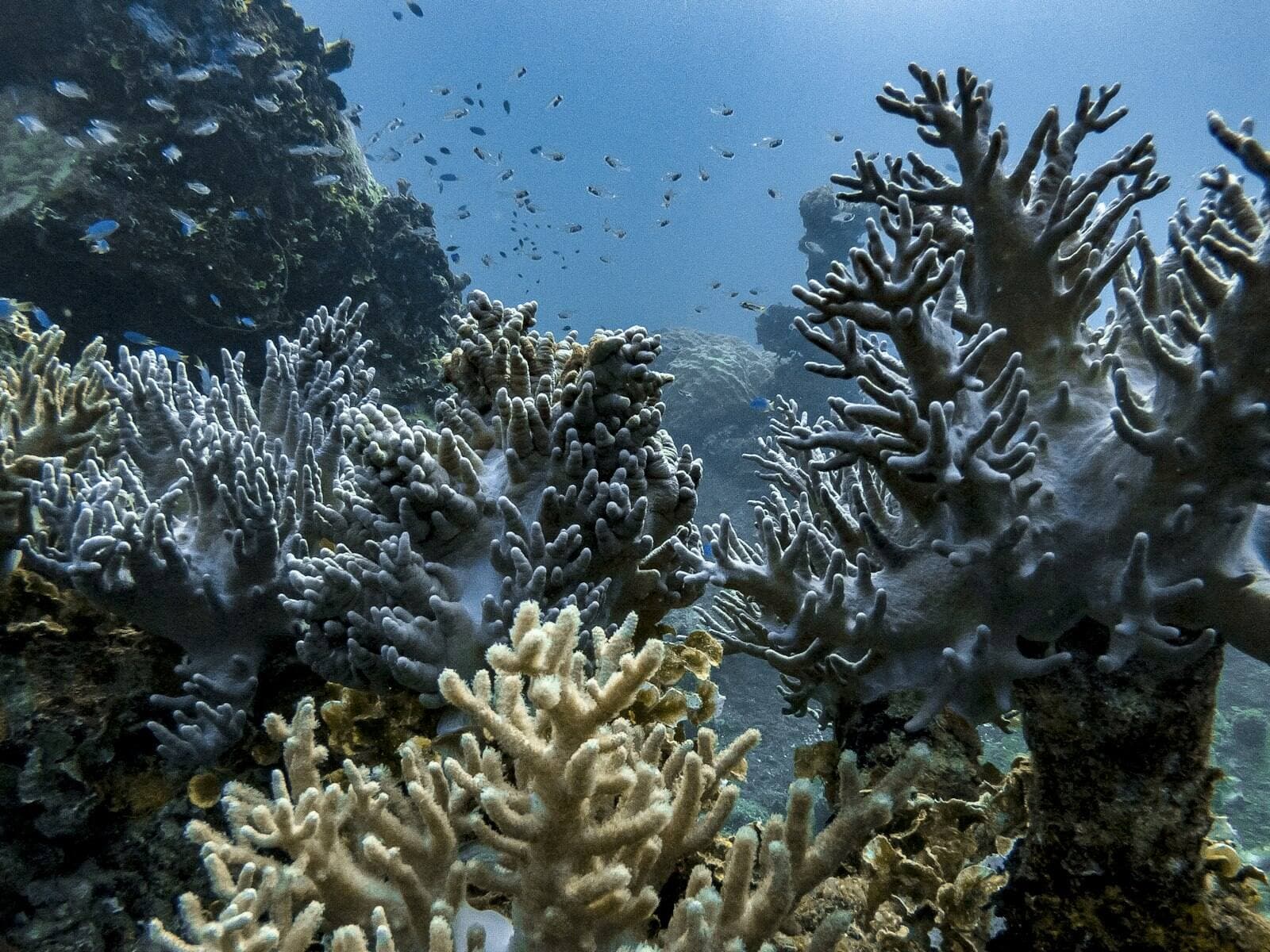
- Magic KingdomCoral slope and wall with dense reef life and turtles.
- Valley of the RaysChannel with manta cleaning stations, best when the east winds calm in summer; easy dive.
- StammtischChannel site with a manta cleaning station on the reef.
- Goofnuw Mini WallShort wall at the mouth of Goofnuw Channel; mantas in season.
- Cabbage PatchVertical wall to about 25 m with cabbage coral and bigger reef fish deeper down.
- Gilman WallWall running north-west from Yap Caverns with crevices and overhangs, 10–40 m; current can be strong.
- Spaghetti FactorySouthern wall with whip corals and reef fish.
- Eagle's NestWest-side reef where eagle rays pass in the current.
What you'll see
Know the risks
- Visibility in the channels can drop sharply on the outgoing tide
- Northeast trade winds from December to April make the east side rough
- Remote: limited flights and medical help
Plan the trip
- Dive shops
Where Yap dive centres are based and what to check before you book. Shop list in progress.
How to choose a dive shop - Dates and people
Post your dates and how many of you. Divers who know the boats and shops, or are going the same weeks, reply in the community.
Find divers / ask dates - Dive insurance
Most travel policies exclude scuba or cap the depth. Check yours covers diving before you go.
Dive accident cover from DAN ↗
Some of these links may earn us a commission at no cost to you. It never changes what we recommend. How this site is funded
Ask other divers
Questions
When is the best time to dive Yap?
December to April for manta mating in Mi'il Channel; mantas are seen all year, in Goofnuw Channel from about May to October. Peak months on our calendar: January, February, March, April, December.
What is the water temperature in Yap?
About 27–30°C all year. A 3 mm suit, or less.
Can Open Water divers dive Yap?
Open Water is enough for the manta channels, where you kneel or hover at 8–15 m. Some outer-wall drifts suit divers with current experience.
How strong is the current in Yap?
Tidal current in the manta channels, timed for the incoming tide; the outer walls can drift.
What should divers watch out for in Yap?
Visibility in the channels can drop sharply on the outgoing tide. Northeast trade winds from December to April make the east side rough. Remote: limited flights and medical help.
Sources
- DAN Alert Diver: Yap, island of pure magic
- Dive Adventures: Yap, Micronesia
- Scuba Diving: Chasing dive life in Yap
- Wetpixel: Yap location guide
- Visit Yap: dive sites
Last reviewed 2026-11. Where sources disagree we use the more conservative range.